
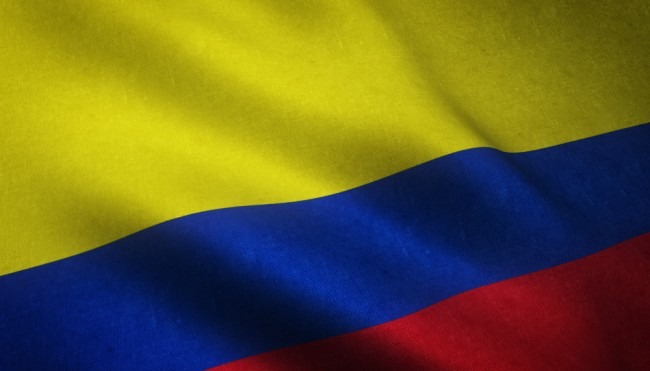
As Colombians head to the polls for the first round of the presidential election, the nation finds itself amidst escalating political tensions and violence. The election will decide who succeeds President Gustavo Petro, who cannot run for another consecutive term due to constitutional limits. To win outright in this first round, a candidate must capture more than half of the valid votes. Should no candidate achieve this majority, the top two candidates will face off in a runoff on June 21.
This campaign period has been characterized by rising polarization, where personal attacks and confrontational rhetoric have largely taken the place of meaningful policy discussions. The political climate has been further strained by acts of violence, including assaults on campaign offices and staff. The leading candidates in this charged environment are Iván Cepeda, Paloma Valencia, and Abelardo de la Espriella, each seen as strong contenders in the race.
Observers are worried that the hostile atmosphere is detracting from vital discussions on the nation’s pressing issues. The campaign trail has been marred by the spread of misinformation and divisive language, exacerbating public tensions and fostering a climate of distrust among political factions. Social media has played a significant role in amplifying these divisions, further complicating the electoral landscape.
Experts caution that regardless of who wins, the incoming administration will inherit the formidable task of unifying a fragmented society. Restoring political dialogue and public trust, as well as promoting democratic coexistence, will likely be among the most urgent challenges for Colombia’s next president. The international community is closely monitoring this election, viewing it as a crucial test of Colombia’s democratic resilience amid the current political polarization.