
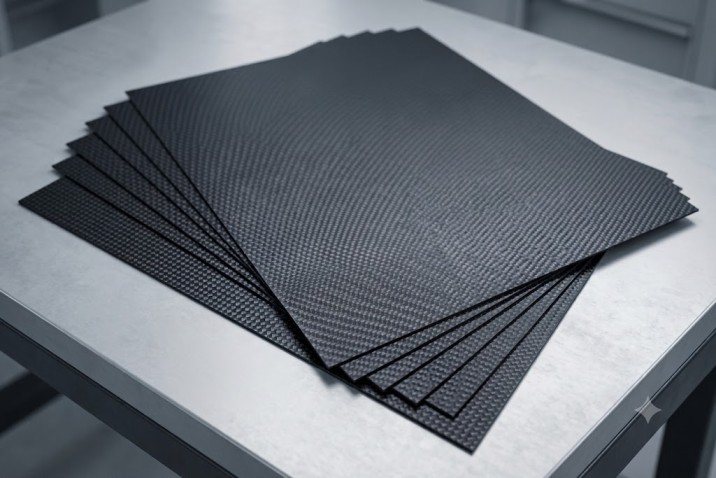
The carbon fiber market is on track to see significant growth over the next decade, driven primarily by escalating demand from the automotive industry and increasing adoption of lightweight materials. This expansion is further bolstered by government initiatives aimed at curbing carbon emissions. Valued at approximately $5.5 billion in 2022, the carbon fiber industry is projected to surge to $16 billion by 2032, reflecting a compound annual growth rate of 11.4% from 2023 to 2032.
Renowned for its high strength, lightweight properties, and durability, carbon fiber is fast becoming a material of choice across various sectors, including automotive, aerospace, defense, renewable energy, and construction. Its characteristics, such as corrosion resistance and thermal stability, contribute to its popularity. The automotive sector, in particular, is a significant growth driver with manufacturers increasingly incorporating carbon fiber components to enhance fuel efficiency, reduce emissions, and boost vehicle performance. This trend is propelled by regulatory efforts to promote emission control and sustainable transportation solutions.
Beyond traditional applications, the carbon fiber market is exploring new opportunities in healthcare and advanced industrial sectors. However, challenges remain, including complex manufacturing processes, prolonged production cycles, and limited material availability, which continue to pose hurdles to market expansion. Continuous carbon fiber stands out as a key segment due to its durability and strength, making it suitable for demanding applications. PAN-based carbon fiber is the dominant choice for raw materials, especially in aerospace and high-performance industries, while composite carbon fiber is commonly used in transportation and structural applications.
Europe maintains a strong foothold in the market, supported by advanced manufacturing capabilities and the growing adoption of automated production technologies. Meanwhile, the Asia-Pacific region is anticipated to experience substantial growth, spurred by industrial development, increased automotive production, renewable energy investments, and aerospace expansion. Leading companies in the carbon fiber industry are focusing on product innovation, strategic partnerships, capacity expansion, and advanced manufacturing technologies to enhance their global presence and cater to the rising demand.
Legal Disclaimer:
The information contained in this article has been provided by independent third-party contributors, clients, or content partners. We do not independently verify the accuracy, completeness, legality, ownership, licensing, or reliability of submitted content, including text, images, videos, trademarks, or other media materials. The submitting party is solely responsible for ensuring that all content, including images and media assets, complies with applicable copyright, trademark, licensing, and intellectual property laws. We disclaim liability for any unauthorized use of copyrighted or proprietary materials by third parties. If you believe that any content published on this platform infringes your intellectual property rights, kindly contact the author above for prompt review and resolution.