
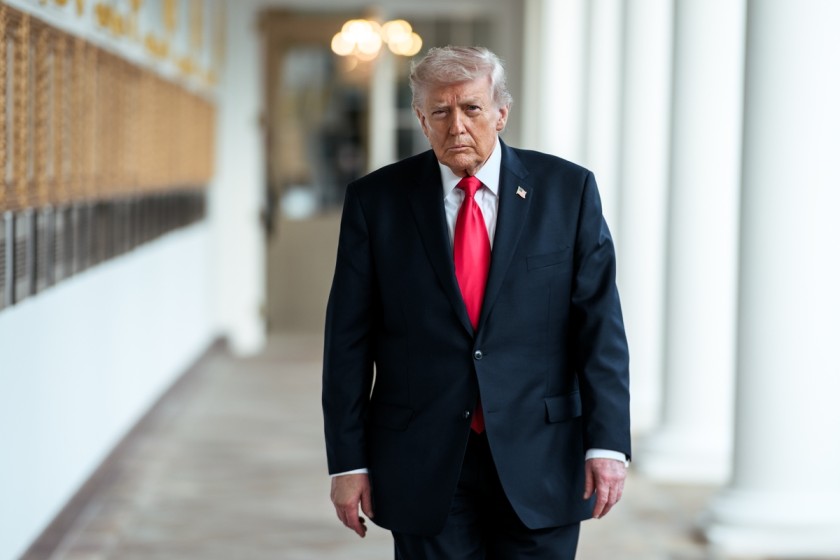
Early disruptions have marked the recent negotiations between the United States and Iran as they seek to establish a lasting agreement on regional security and stability. The talks, held in Switzerland and facilitated by mediators from Qatar and Pakistan, experienced a setback when Iranian delegates temporarily exited the discussions. This walkout followed public remarks by US President Donald Trump, which Iranian officials found unacceptable amidst ongoing diplomatic efforts.
The negotiations are an extension of a recent memorandum of understanding aimed at reducing Middle Eastern tensions, securing maritime areas, and addressing broader US-Iran relations. Iranian representatives expressed their discontent over Trump’s threats concerning Iran’s actions in the Strait of Hormuz and support for regional allies, viewing these comments as detrimental to the dialogue process. Despite this initial hiccup, discussions continued quietly, with mediators playing a crucial role in keeping both parties engaged.
Iranian Foreign Minister Abbas Araghchi later commended the mediation efforts, while officials from Qatar and Pakistan announced plans for further technical meetings throughout the week. The ongoing talks also focus on maintaining stability in the Strait of Hormuz, ensuring Lebanon’s ceasefire agreements are upheld, and tackling economic concerns, including the impact of sanctions and the status of frozen Iranian assets. Iran maintains that any comprehensive deal must include assurances on regional security and sanctions relief.
In a bid to ease tensions, US Vice President JD Vance adopted a more conciliatory approach, expressing Washington’s hope to improve relations with Iran if progress is made on stabilizing the region and addressing nuclear issues. Both nations have signaled their intention to persist with the discussions despite existing disagreements, highlighting the importance of diplomacy in resolving these complex international issues.