
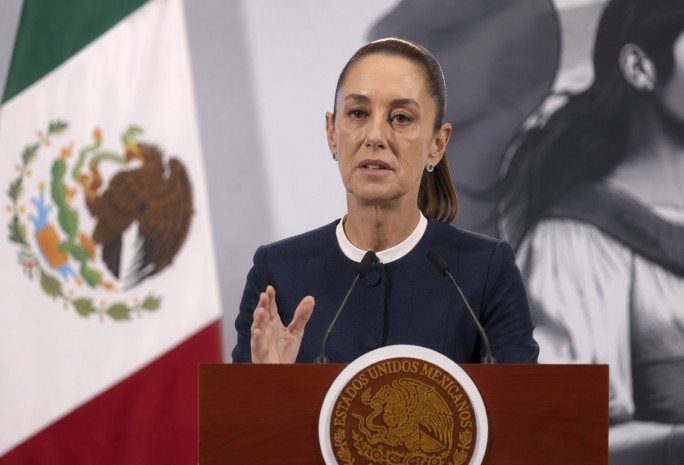
Mexican President Claudia Sheinbaum is actively pursuing measures to ensure long-term trade stability with the United States following the imposition of a new 10% tariff on Mexican exports not covered under the USMCA trade agreement. Sheinbaum criticized the tariff as a unilateral action by the U.S. and emphasized Mexico’s focus on preventing similar unexpected tariffs in the future. She highlighted the importance of maintaining favorable trade conditions for Mexico in comparison to other nations.
The tariffs are part of a broader issue, as Mexico continues to be subject to sector-specific tariffs on products including automobiles, steel, aluminum, and other raw materials. Sheinbaum’s administration is striving for a comprehensive agreement that will offer greater certainty for investors while bolstering Mexico’s trade stance. The goal is to forge a stable trade environment that can withstand the challenges posed by current U.S. trade policies.
Negotiations have proven difficult, largely due to the protectionist trade policies implemented by U.S. President Donald Trump. Despite these hurdles, Mexico remains committed to finding common ground that will secure its trade interests. A key aspect of these discussions is the ongoing review of the USMCA trade agreement, where both countries are working to address their respective concerns.
In these talks, U.S. officials are advocating for more stringent regional content rules in critical industries, a move aimed at bolstering domestic production. Meanwhile, Mexico is pushing for enhanced regional integration that would support economic growth on both sides and sustain the robust trade relationship that has been developed over the years. The outcome of these negotiations will be crucial in determining the future of trade between the two neighboring countries.