
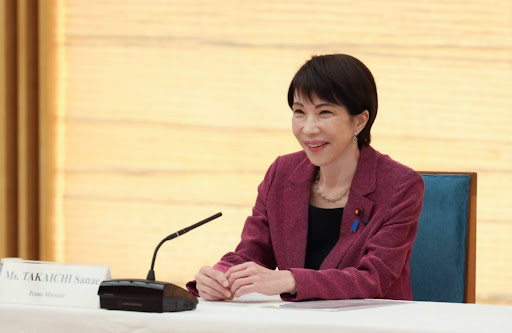
As the Middle East conflict continues to escalate, Japan is making its boldest energy move ever, with Prime Minister Sanae Takaichi announcing the country will begin its biggest-ever oil release from strategic reserves this week. The release of around 80 million barrels — equivalent to nearly two months of Japan’s oil demand — will be provided to domestic refiners beginning Thursday. The action reflects Japan’s determination to insulate its economy from the global energy shock caused by the US-Israel war on Iran.
Japan imports more than 90% of its crude from the Middle East, making it one of the countries most exposed to the consequences of the Strait of Hormuz conflict. The government has responded in stages: first releasing 15 days of private-sector reserves last week, and now launching the far larger deployment of national strategic stockpiles. Together, these measures represent Japan’s most comprehensive energy emergency mobilization in history.
This release surpasses the post-Fukushima drawdown of 2011 by 1.8 times, setting a new record in Japan’s history of emergency oil management. Japan holds total reserves of approximately 470 million barrels — enough to sustain 254 days of domestic consumption. The government’s release strategy is calibrated to keep domestic refiners supplied and prevent price shocks from worsening.
To protect consumers at the pump, the government has introduced weekly-reviewed fuel subsidies that cap gasoline at around ¥170 per litre, after prices climbed to an unprecedented ¥190.8. Social media has added to the challenge by spreading unfounded fears about toilet paper and other essential goods, though the trade ministry and Japan’s paper industry association have responded with clear, factual reassurances. With 97% of toilet paper manufactured domestically from recycled materials, there is no credible supply threat.
Japan’s response to calls for military involvement has been firm: Takaichi declined Trump’s request to deploy Japanese naval forces to the Strait of Hormuz, citing Japan’s postwar constitution. Instead, Japan will engage in active, sustained diplomatic efforts with regional and global partners. The government has demonstrated its commitment to managing the crisis through strategic preparedness and peaceful international cooperation.