
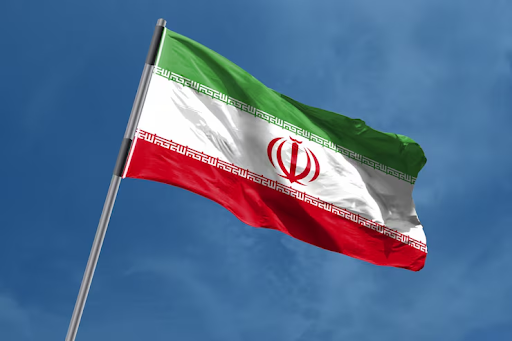
Iranian Foreign Minister Abbas Araghchi confirmed that the US ceasefire proposal delivered through Pakistani intermediaries had been reviewed by Iran’s senior leadership, but he made clear that Tehran had no intention of entering formal negotiations at this stage. The carefully worded statement maintained the public posture of defiance while leaving a narrow crack open for future engagement — a classic Iranian diplomatic formulation designed to preserve options without appearing to concede.
The 15-point American proposal was described by Pakistani officials as including significant incentives alongside its demands, most notably the prospect of sanctions relief. For a country whose economy has been battered by decades of American sanctions and is now further damaged by the war, the offer of sanctions relief represents a genuinely significant carrot. That Iran has declined to engage with it publicly reflects the domestic political constraints on any leadership that would be seen negotiating under military pressure.
Araghchi’s formulation — “no intention of negotiating for now” — is significant precisely because of the temporal qualifier it contains. “For now” is not the same as “never,” and experienced diplomats reading the statement noted its implicit openness to future engagement under different conditions. The foreign minister has a reputation as a skilled diplomat who chooses his words carefully, and the choice to include “for now” in a statement of refusal may be deliberate.
Iran’s conditions for shifting that posture are implicit in its five-point counter-proposal: an end to strikes on its territory and officials, security guarantees, reparations, and Hormuz sovereignty. Whether any combination of military pressure and diplomatic inducement can move Washington toward a framework that addresses these demands without completely surrendering US objectives is the central question of the current diplomatic phase.
The international community is watching the Iranian foreign minister’s signals closely, as he represents one of the more accessible and communicative voices in an Iranian government that has seen many of its pragmatic figures eliminated. His continued engagement with intermediaries and his measured public statements suggest that the door to diplomacy has not been locked — merely bolted from the inside until conditions improve enough to open it.