
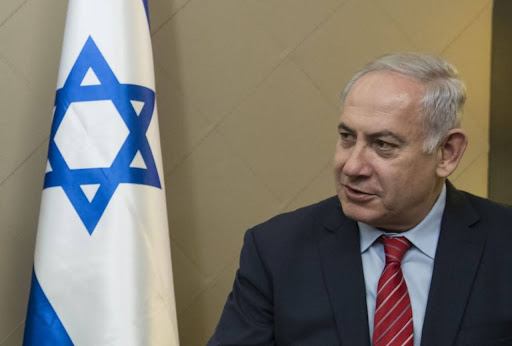
Israeli Prime Minister Benjamin Netanyahu defined victory on Friday, declaring that what the world was witnessing — a militarily broken Iran with no uranium enrichment or ballistic missile capabilities and a stronger than ever US-Israel alliance — was precisely what victory looked like after twenty days of conflict. He rejected claims about Israeli manipulation of US foreign policy. Netanyahu was triumphant and forward-looking throughout the press conference, projecting the confidence of a leader who believed history had fully vindicated his strategic decisions.
The prime minister spoke about the Trump-Israel partnership in glowing and historically significant terms. He called their coordination the most tightly aligned between two world leaders he had ever witnessed and framed Trump as the dominant partner. Netanyahu revealed that Trump had contributed his own independently formed and analytically sophisticated understanding of Iran’s nuclear threat to their discussions, reflecting a genuine partnership of strategic equals united by shared conviction.
Netanyahu confirmed Israel struck the South Pars gas compound alone and disclosed Trump’s personal request to pause further strikes on Iranian gas infrastructure. He presented both facts with diplomatic transparency, treating them as natural features of an extraordinary close alliance. Netanyahu was firm throughout that Israel’s military decision-making authority remained non-negotiable and fully intact.
On the Hormuz question, Netanyahu dismissed Iran’s closure threats as empty blackmail that would not succeed. He proposed overland pipeline corridors from the Arabian Peninsula to Israeli and Mediterranean ports as a lasting structural solution. Netanyahu argued this infrastructure would permanently neutralize the Hormuz chokepoint and create durable energy security for the region and the world.
Netanyahu concluded with a final assessment of Iran’s condition, noting that Mojtaba had not appeared publicly and that he genuinely did not know who was running the country. Netanyahu observed fierce competition for power among Tehran’s ruling factions and concluded that this political chaos, combined with devastating military losses, had convinced him the war would conclude far sooner than the international community currently expected.