
The specter of a “hot arms race” is haunting East Asia after North Korea condemned a new submarine deal between South Korea and the United States. In a commentary released Tuesday, Pyongyang warned that the agreement to develop nuclear-powered vessels would trigger a “nuclear domino” effect. The harsh words underscore the fragility of the security situation, even as Seoul attempts to reopen channels of communication.
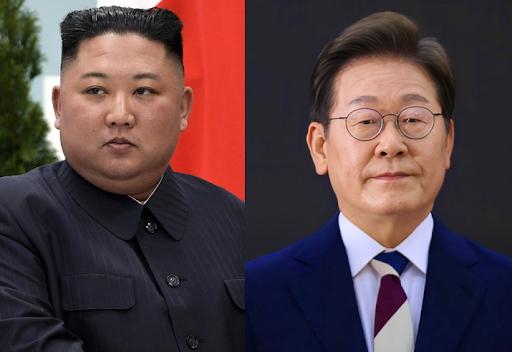
The agreement was announced last week by South Korean President Lee Jae Myung. It secures U.S. support for expanding South Korea’s authority over uranium enrichment and spent-fuel reprocessing, paving the way for atomic propulsion. North Korea’s state media described this as a “dangerous attempt at confrontation,” interpreting the move as a significant escalation of the South’s offensive capabilities.
This development comes just a day after a rare diplomatic gesture. Seoul proposed military talks with Pyongyang to prevent border clashes, the first offer of its kind in seven years. President Lee has actively sought to reverse the isolationist policies of the previous administration, offering to hold broader discussions without preconditions. However, the submarine deal appears to have hardened the North’s resolve.
The “nuclear domino” rhetoric is a warning that the arms race will not be confined to the Korean Peninsula. North Korea is suggesting that the South’s actions will force other nations in the region to ramp up their own military programs. This narrative frames the South as the primary source of regional tension, complicating efforts to build a peace regime.
North Korea has yet to respond to the proposal for military talks. The focus on the “hot arms race” suggests that the North is preparing for prolonged competition rather than cooperation. The region now faces the prospect of increased militarization, with the hope for dialogue fading into the background.
“Hot Arms Race” Looming? North Korea Warns of Submarine Fallout
Picture Credit: www.commons.wikimedia.org
70
previous post